Transport

To create a modern transport vehicle, whether it be a car, a train, an ocean liner or a spaceship, you need aluminium. This is why the transportation industry is its main consumer. The demand from western transport manufacturers is 26% for primary aluminium and 38% for secondary aluminium. This is not surprising seeing as parts made from this light, stable and corrosion-resistant metal can last for decades.

In addition, transport manufacturers now try as much as possible to replace traditional iron and steel with aluminium. This is because using lighter materials reduces the weight of an automobile or a railway car, which means a significant saving in fuel consumption.

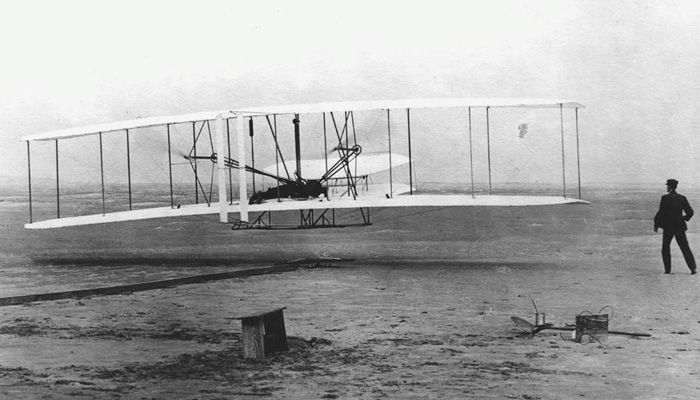
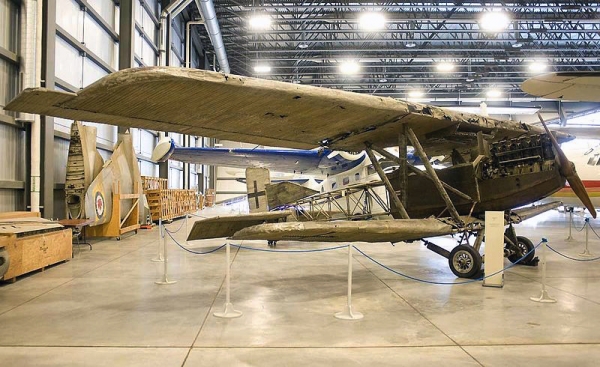
Aluminium is primarily used in the aviation industry, and for this reason the metal is often refered to as the ‘winged’ metal. Without it, aviation would not be the industry it is now. Even the first aircraft in the world, constructed by Wright brothers in 1903, had a four-cylinder 12 horse power engine enclosed in an 13.5 kg aluminium unit to make the aeroplane lighter. Aluminium rapidly replaced wood and other materials traditionally used in the industry and the first aeroplane made completely of aluminium appeared at the beginning of 1920s. Since then, aircrafts of all types and dimensions are constructed mainly of the ‘winged metal’. It accounts for about 80% of the weight of unloaded air vehicle. For example, the famous Boeing 747 contains 75 tonnes of aluminium.

It is impossible to imagine a more effective material for aviation: aluminium alloys are resistant to overloads and pressure connected with flights at a high altitude. In addition, aluminium panels trap heat. As the metal is resistant to corrosion, some aviation companies don’t paint their air vehicles, reducing the aircraft weight by several hundred kilograms.

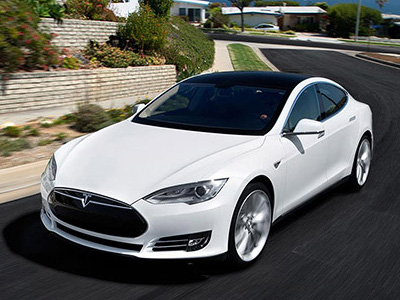
Automobile manufacturers also consume much of the world’s aluminium. Aluminium was first applied to cars for decorative reasons in 1914. Today, more than 100 car elements are made from it and this number is constantly growing. Aluminium is required to manufacture the body, bumper, body parts, the suspension mount, and many other components of the car.

By using the aluminium, it is possible to reduce the weight of a truck or bus by 1,800-1,900 kilograms and enable them to carry much more cargo. In this case, the energy saved is 6–12 times higher than the power required to produce the aluminium. It is well known that reducing a car’s weight by 100 kg saves 0.6 liters of petrol per 100 km. Furthermore, the less fuel that is consumed, the less carbon oxide is emitted into the atmosphere.

The ability of aluminium to absorb kinetic energy is taken into consideration when modern cars are designed. In case of an accident, the impact is reduced by aluminium structural elements. This means that the use of this metal considerably improves car safety.

Moreover, aluminium components can add a modern look to cars. Just look at the Jaguar XJ-Type, which has become a symbol of new car design. Its body is made entirely of aluminium!

Recent surveys show that the use of aluminium by European automobile manufacturing groups had increased drastically in recent years. In 1990, it was about 50 kg of aluminium per car, but in 2005, it was as much as 132 kg per car. Experts believe that by 2010 this value will grow by some 25 kg.

A Russian car currently contains only 40 kg of aluminium. However, there is considerable potential for growth: new domestic models are constantly being launched, while foreign manufacturers become more and more engaged in the Russian automobile industry. According to experts, Russia will take fourth place in terms of world car production by 2025. By that time the share of aluminium in each car will have increased several times.

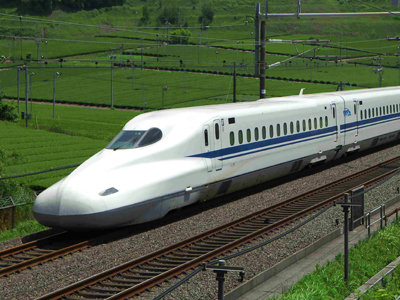
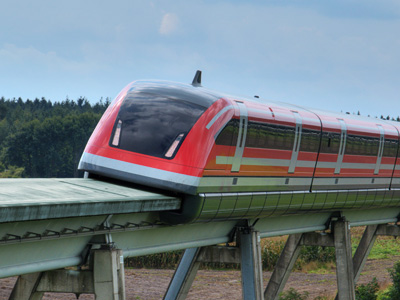
Aluminium is used in high-speed railway cars and modern subway cars — it is light and resistant to heavy vibration but consumes little power. For these reasons, for railway manufacturers, aluminium is certainly a material of the future.

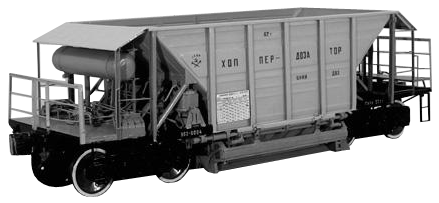
Aside from passenger railway cars, freight cars have been made from aluminium for a long time, with the first car being manufactured in 1931. In the 1960s, aluminium was used in the manufacturing of box freight cars with a capacity of about 100 tonnes. It took about 7 tonnes of aluminium to make each car, 10 tonnes less than for the steel version.
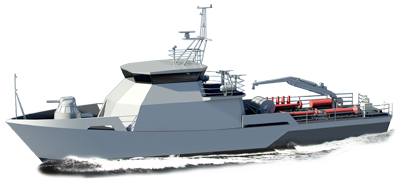
Ship builders greatly appreciate the solidity and durability of this metal, some manufacturing ships entirely made of aluminium. The first such ship was constructed in 1892 in France. It was a yacht, over 12 meters long. The experiment turned out to be such a success that French ship builders constructed an ocean liner 315 metres long. Not only the hull, but the furniture inside was also made of aluminium. Even after 30 years of active use, aluminium ships remain without signs of metal fatigue and are easy to maintain.

Today, 50% of outboard engines are made of aluminium. It is also actively used in the construction of high-speed ferry boats, for which weight is crucial. Up to 400 tonnes of aluminium may be used in a modern ferry boat.

Aluminium is widely used in spacecraft construction. The cover of the first satellite launched in 1957 was made of aluminium, and this metal has become irreplaceable for discoveries of the future. From one twentieth to half the weight of the rocket launcher, and up to 90% of the Space Shuttle is made of aluminium.

Aluminium allows people in countries across the world not only to get from A to B comfortably, but also to explore the sea and to venture into space.

About the project
Site map