Aluminium has become an integral part of our everyday life; you may even be reading this on a device with an aluminium body. Tablet PCs, flat screen TVs, sporting equipment, furniture, mirrors and coffee machines and many other products and gadgets we use in our everyday lives contain aluminium.
"People value things that are thoughtfully conceived and well made".
Jonathan Ive Apple's Chief Design Officer
Electronics
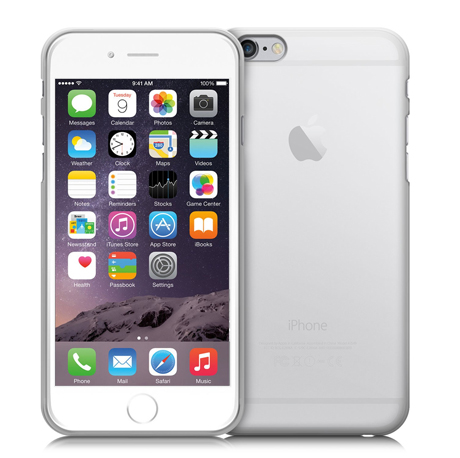
Manufacturers of smartphones, tablets, laptops, flat screen TVs, monitors and other equipment are using an increasing amount of aluminium. Aluminium combines beauty and practicality which defines its success in this industry. Gadgets in aluminium bodies look sophisticated and reliable, while remaining light and robust.
Aluminium producers are offering designers and engineers new and improved aluminium alloys, both anodised and not, polished and matt, smooth and rifled, that allows them to implement even the most complex and daring designer solutions.
Global electronics manufacturers are successfully using aluminium to replace steel and plastic. Aluminium is stronger and more reliable than plastic, it's lighter than steel, it can absorb and dissipate heat that is inevitably generated by running electronic devices, which is why the best modern flat-screen TVs from market leaders Samsung, LG, Sony and Philips are made from aluminium. In 2014, global sales of aluminium TVs grew by 5%, totaling 215 million; one and a half times greater than the entire population of Russia.
In 2014 over 1.2 billion smartphones were sold around the world, with Apple alone selling over 190 million units.
Apple, the worlds leading manufacturer of smartphones and tablet PCs, widely uses aluminium in their products and is increasing its use. Aluminium was only used in some parts of the first generation of the iPhone, now the entire body of the fifth generation iPhone is made from aluminium. Samsung is also following suit recently releasing a whole range of aluminium body smartphones.
The whole range of Apple's MacBook uses an entirely aluminium body in all models. Apple's designers and engineers realised that if they replaced the multitude of components that a laptop body consists of with just one large piece, the weight of the laptop could be reduced drastically and could be made paper-thin. The only way to build a component like that is to make it from one piece of aluminium. The technology is called Unibody.
Luxury electronics brands are also opting for aluminium. For example, Denmark's specialist designer and manufacturer of premium audio, video and telephone systems, Bang & Olufsen, have been creating aluminium bodied products for some time. In addition to ensuring the highest standard of consumer and sound qualities, an aluminium body also allows the designers to be inspirational with their thinking; some of their products are even exhibited in modern art museums. Bang & Olufsen supplies sound systems and radio equipment to Audi, Aston Martin, Mercedes Benz and BMW.
Bang & Olufsen: The Art of Craftsmanship
Interior design
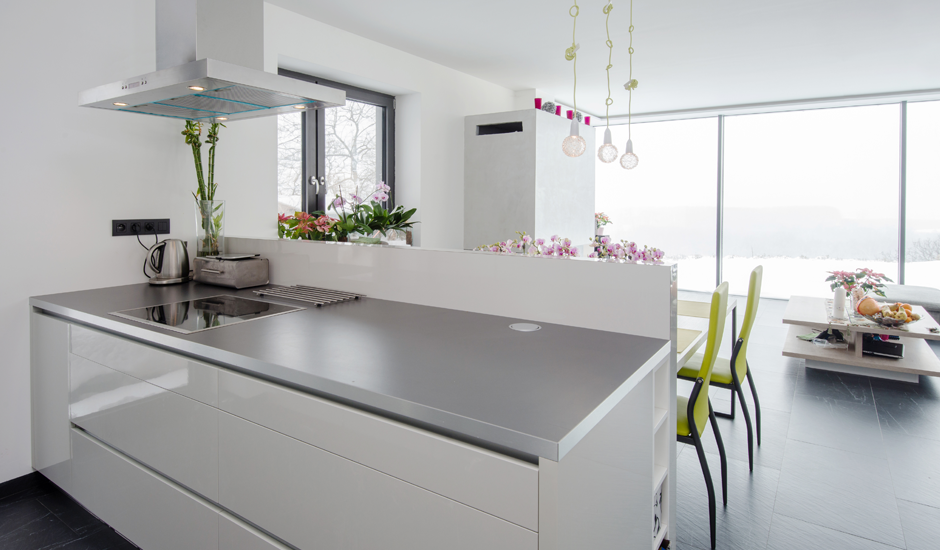
Aluminium is used in tables, chairs, shutters, picture frames, lamps, decorative wall panels, air conditioning units and radiators. Designers use aluminium because it gives them a lot of freedom in choosing the shape for their creations, as well as being easy to process and aesthetically pleasing.
Aluminium aided the emergence of modern high tech interiors. The liberal use of glass and metal makes them feel more spacious and used in both homes and offices. In addition, aluminium significantly reduces the weight of the interior elements, making them more seamless and less bulky.
Aluminium furniture has quickly become a classical interior feature; the chair designed by one of the founders and gurus of high tech interior design, Norman Foster, is a unique piece widely recognised as iconic in that very style. Foster highlights the chairs 'anonymity', in line with his ideas about interior space.
Another famous designer, Philippe Starck, has also created a lot of aluminium interior elements. For him, aluminium's 100% recyclability has always played a special role. One unique property of aluminium was that it allowed him to create 'infinite' interior elements. Starck's chairs are both interior elements and works of art.
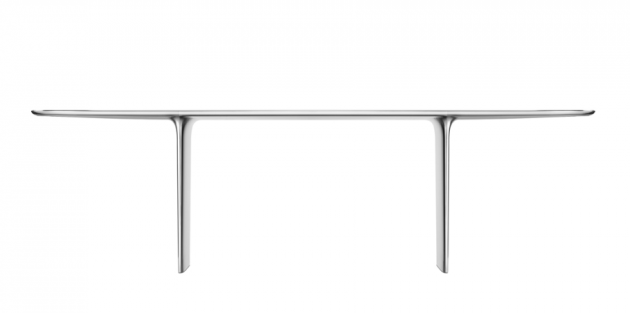
Another piece that is both furniture and a work of art is the desk co-designed by Apple's Chief Design Officer Jonathan Ive and designer Mike Newson, which is made from anodised aluminium and stylistically follows in the minimalist tradition all Apple products are famous for.
While aluminium in interior design is mostly regarded as highly fashionable, it is the market leader when it comes to garden furniture; folding chairs and stools, garden swings and tables, mobile folding chairs in street cafes, light and compact shelves. Aluminium's light weight and practicality make it the best choice outdoor furniture. One of the flagship companies in this sector is Spain's Indecasa. "If a piece of our furniture doesn't contain aluminium, then it's not an Indecasa product," stated Francisco López de Vega, CEO of Indecasa.
Mirrors will always contain aluminium, regardless of their shape, size and style as the reflective layer that turns glass into a mirror is made from aluminium. Aluminium is the only metal used for this purpose as it has a high reflective coefficient. Aluminium can be used to make mirrors with outstanding reflective properties both in the ultraviolet (visible) and infrared ranges. As a comparison, copper reflects light in the ultraviolet and infrared ranges while gold only reflects in the infrared range.
One rather unusual example of how aluminium is used at home is the artificial Christmas tree made from so-called tinfoil, which is in fact also made from aluminium. These Christmas trees used to be very popular in the US in the 1950s and 1960s and can even be found in cupboards and lofts of our relatives' houses today.
Aluminium is also used in art and elements of interior design. Sculpting aluminium is an extremely difficult and skilled task as it has a far lower melting point than bronze. Aluminium has to be cast in an inert environment, i.e. in a room filled with argon, nitrogen and carbon dioxide. For this reason the first aluminium statues were small and in the late 19th century were mostly used as tabletop ornaments. However, in the second half of the 20th century aluminium statues up to several metres high began to be made. Today, aluminium is a material used primarily by art house artists, as it allows them to build light but very strong structures. Aluminium can be easily decorated to give the effect of cast iron or gilded bronze.
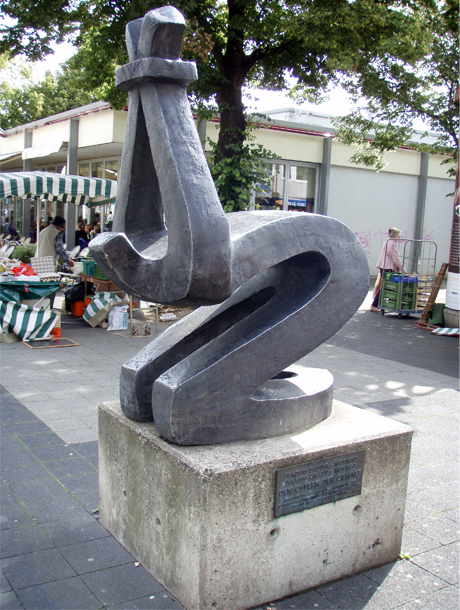
One of the world-famous sculptors to use aluminium is our compatriot Vadim Sidur. In the 1960s he created a whole series of artistically unique sculptures. One of his most famous works is the Relations sculpture, a monument to people that fell victim to and died from violence.
Kitchen
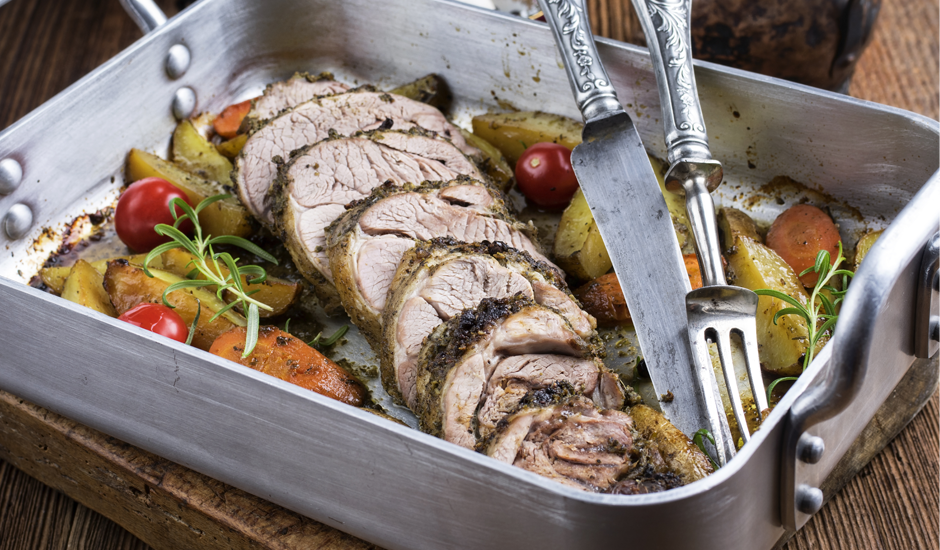
These days you'd be hard pressed to find an aluminium-free kitchen. Aluminium is not just used in the bodies of kitchen appliances, it is also used in modern utensils from pots and frying pans to meat mincers and baking moulds. Aluminium utensils are easy to wash, great heat conductors allowing heat to spread evenly through the whole body, they're not easily scratched or dented, they're corrosion resistant and on top of it all, aluminium offers all the design benefits it demonstrates in other sectors.
Aluminium's high heat conductivity, which is almost 2.5 times higher than that of steel, it allows an aluminium pan to absorb only 7% of the heat it receives, radiating the to the food being cooked. Aluminium-manganese alloys are used to make thick utensils such as frying pans, roasting pans and large cooking pots. Professional chefs prefer aluminium utensils due to these qualities. Cheaper aluminium utensils are produced using extrusion rather than casting. To ensure the safety and longevity of such utensils they are enamelled creating popular frying pans with non-stick surface coating. In the past you had to use wooden or Teflon ladles to cook on these frying pans to avoid scratching the coating, however modern manufacturers have learned to make the coating so durable that even a steel knife can do little damage to the product. Aluminium is also used in the manufacture of steel kitchen utensils as a heat conductor that facilitates the heating of the pan. This technology is called Tri-Ply and essentially it is a layered design in which a heat-accumulating thick aluminium plate is placed between two sheets of stainless steel showing that aluminium is a vital element in non-aluminium kitchen products.
Disposable aluminium baking moulds are also very popular. Unlike their rubber counterparts they easily retain their shape and come off easily once the cooking is done. They are also safe, non-toxic and environmentally friendly.
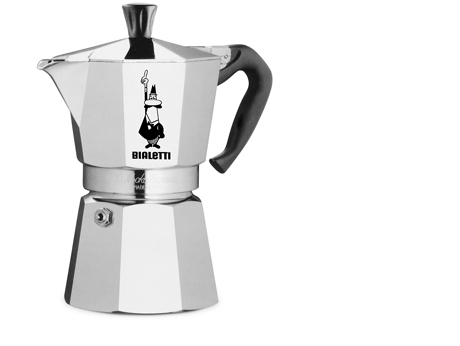
The Italian engineer, designer and aluminium aficionado Alfonso Bialetti created the world renowned Bialetti geyser coffee marker using aluminium in 1933. The Bialetti coffee maker is still in production today with few changes to the original design and continues to gain popularity all over the world. A Bialetti coffee maker today is a necessity in any Italian kitchen and you can buy Bialetti coffee makers from other companies as well, the only constant that remains is the use of aluminium.
Sports goods
Light weight, strength, ease of processing and the universal love of designers give aluminium great importance in the sporting goods industry. Aluminium alloys are used in bicycle and scooter frames, primarily made from 5xxx, 6xxx and 7xxx alloys. Aluminium is the most common metal in bicycle frames and is generally considered to deliver the best weight to cost ratio. Bicycles with lightweight aluminium frames increase speed better and are more corrosion resistant.
Another piece of sporting equipment that's come to be closely associated with aluminium is ski poles. Originally bamboo sticks were used, then steel, however, the former was too weak and would fall apart after a short time, while the latter were too heavy. The situation changed in 1958 when American Edward Scott designed an aluminium ski pole and thus aluminium forever replaced steel in ski poles. This revolutionary invention launched a new brand that exists to this day, SCOTT, crearting the new leader in the skiing equipment sector.
Aluminium is also indispensable in mountain climbing equipment where special emphasis is made on reliability and low weight. Climbers must be able to trust their equipment with their lives while at the same time everything they need for survival has to be light enough for them to carry with them on expeditions. It is no surprise that aluminium is the chief metal used by mountain climbers the world over.
Apparel and accessories
Aluminium has become common in apparel and accessories with designers turning to the metal when they want to wow the public with a new design they will often turn to aluminium for inspiration. In the early 20th century Italian futurists suggested making hats finished with aluminium sheets and even aluminium ties that could be curled in such a way that they would stick out over the shoulder of the fashionistas that dared to wear them. In 1933, US actress Katharine Hepburn starred in the movie Christopher Strong wearing a moth costume made from thin aluminium plates.
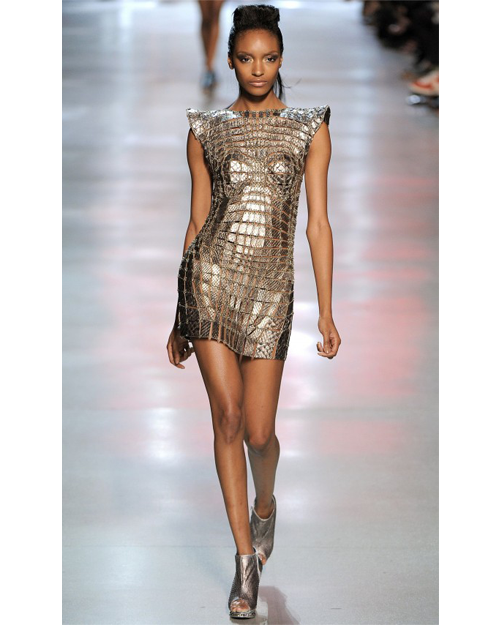
In the 1960s, the famous Oscar de la Renta created a bikini made from thin aluminium fibre. The sensational costume became a classic element of club fashion. In 1969, Paco Rabanne took things one step further and presented a mini-dress made from polished silver and aluminium chainmail and also revived the idea of an aluminium dress 30 years later in 1999 when he released several aluminium cocktail dresses. Aluminium powder was sprayed on dresses; it was used in the design of purses and heels. In the 1980s fashionistas sported anodised aluminium necklaces, clips and bracelets.
In the 2000s aluminium began to be used in the collections of such famous designers as Miuccia Prada, Christian Lacroix, Alexander McQueen and others. Today that metal glitter is once again in vogue and is reappearing in clothes once again. These items are highly unlikely to ever hit the mass market but they are great at showcasing the individuality and style of their owner. Kirsten Dunst did a photo shoot for Vogue Magazine in a black dress made from black aluminium foil designed by the famous John Galliano.
While the dress might be an haute couture item, various aluminium accessories can be bought by consumers, such as spectacle frames. Light metal glasses frames have become so popular with fashion-conscious people the world over are often made from aluminium. These frames are extremely durable, don't put too much weight on the nose bridge and even if they do get bent, they can be easily reshaped without breaking due to aluminiums malleability. Also, some companies still make imitation jewellery from anodised aluminium: it's not expensive but looks unique.